Phytosanitary certificates for wooden dog chews and plant-fibre toys
A phytosanitary certificate is an official document from the exporting country's plant protection organisation stating that a consignment meets the importing country's plant-health requirements. In Vietnam it is issued by the Plant Production and Protection Department. Coffee wood, hemp, coco coir and loofah are of plant origin, so we apply for one when your market requires plant inspection; your importer or customs broker confirms whether yours does.
- For importers and Amazon sellers
- Coffee wood, hemp, coir, loofah
- About 6 minutes to read
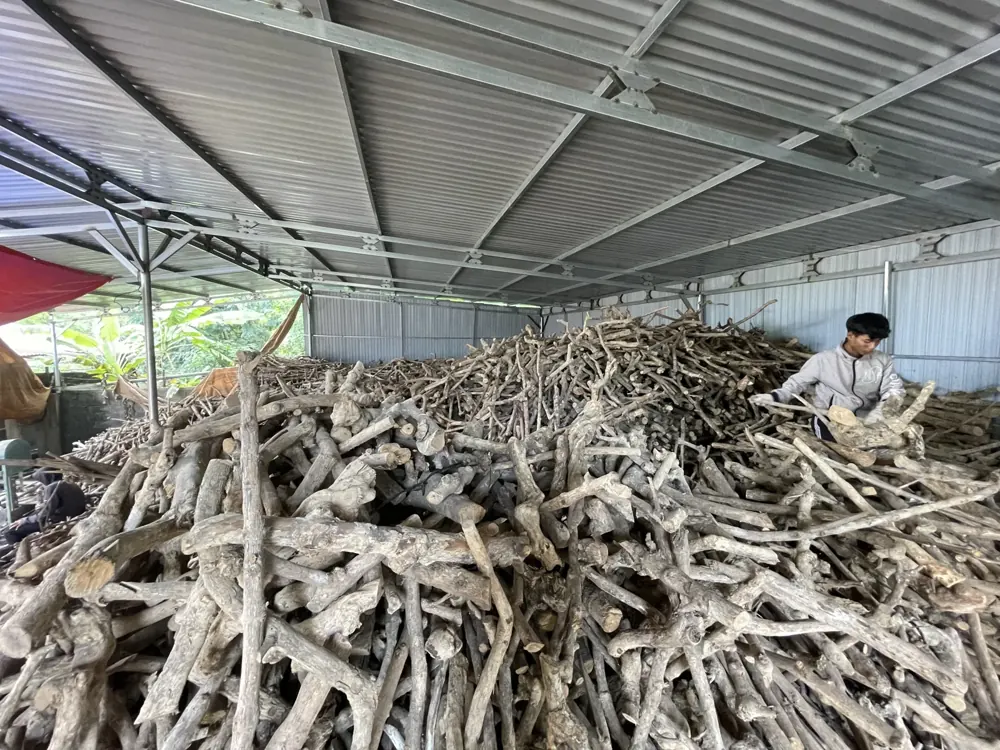
What a phyto is, and who issues it
The international rules are set by the International Plant Protection Convention (IPPC). Its standard on phytosanitary certificates, ISPM 12, says certification "is used to attest that consignments meet phytosanitary import requirements and is undertaken by an NPPO", a national plant protection organization. A certificate for export "is usually issued by the NPPO of the country where the plants, plant products or other regulated articles were grown or processed".
For goods we make, that country is Vietnam and the NPPO is the Plant Production and Protection Department. ISPM 12 also says a certificate can be issued "only by a public officer who is technically qualified and duly authorized by an NPPO", so a phyto does not come from a forwarder or a fumigation company.
Does my order need one?
It depends on the country you import into and on the product. ISPM 12 says importing countries "may require phytosanitary certificates for regulated articles only", and should not require them for plant products processed to the point where they can no longer carry regulated pests. Each country decides which goods it regulates and which documents it wants.
That is why we do not publish a rule like "coffee wood always needs a phyto". A cut, dried and vacuum-packed chew is still a plant product, and some markets will want a certificate for it while others may not. Ask your importer or customs broker before you order, and send us their answer with your enquiry. If a phyto is needed, we apply for it.
For buyers in the EU, the full document picture is in EU export documents for pet toys.
What goes on the certificate
ISPM 12 asks for a description detailed enough for the importing country's inspectors to check the consignment. Two points catch buyers out:
The botanical name, not the product name
Plants are identified by their scientific name, "at least to genus level but preferably to species level". The description "should not refer to trade names, sizes or other commercial terms". So your listing title, your brand and our size codes do not belong on a phyto. A mixed order of coffee wood, hemp and loofah carries one botanical name for each material.
Quantity that matches the packing list
The quantity and weight on the phyto should agree with the packing list. If the packing list changes after the application, the phyto has to change too.
The certificate may also have a limited period of validity, set by the exporting or importing country, and it can be electronic where the importing country accepts electronic certificates.
How a phyto fits with the other papers
A phyto is often confused with a fumigation certificate. They are different documents. Fumigation is a treatment, and its certificate is issued by the company that does it; fumigation is done before export customs clearance. When we ship CIF or DAP our forwarder arranges it, and under FOB or EXW your forwarder does. More in fumigation certificates for pet toys.
- Every shipment: commercial invoice, packing list, bill of lading or air waybill.
- When your market requires them: phytosanitary certificate, fumigation certificate, certificate of origin.
- Same voyage: the vessel and voyage details on the phyto, fumigation and origin certificates match the final B/L.
You can see a masked phyto from one of our US shipments, and one from a German shipment, on our documents page. How to read the B/L those details must match: how to read a bill of lading.
Check the draft before the original is issued
We send drafts of the phyto, fumigation and origin certificates, together with the draft B/L, for you to approve before the originals are issued. We do this on every shipment. A wrong letter in a consignee name or a missing botanical name is easy to fix on a draft and slow to fix on an original.
On the phyto draft, check:
- Consignee name and address, exactly as on the invoice and B/L.
- One botanical name for each plant material in the shipment.
- Quantity and weight against the packing list.
- Point of entry, if your country asks for it.
- Any additional declaration your importer asked for, word for word.
Questions buyers ask about phytosanitary certificates
What is a phytosanitary certificate?
An official document from the exporting country's national plant protection organization stating that a consignment meets the importing country's plant-health requirements, under the IPPC standard ISPM 12.
Who issues the phyto for goods from Vietnam?
The Plant Production and Protection Department. We apply for it when your market requires plant inspection.
Do coffee wood chews always need a phyto?
No single answer fits every market. Each importing country decides which plant products it regulates, so your importer or customs broker confirms whether your goods need one.
Is a fumigation certificate the same thing?
No. Fumigation is a treatment with its own certificate from the company that carries it out. A phyto is issued by the plant protection authority.
Can I see the phyto before it is final?
Yes. We send drafts of the phyto, fumigation and origin certificates with the draft B/L for your approval on every shipment.
Send us your broker's document list
Tell us your market and what your broker needs, and we confirm each document before we quote.
Ask for a quote Coffee wood chews
Want to see the product first? Your first 3 samples are free, you pay the shipping.