
Importing wooden pet chews into Taiwan, Singapore and Hong Kong
In Taiwan, the quarantine agency's Q&A treats wood products as plant quarantine items unless an exception applies: no thicker than 0.6 cm, glued under heat and pressure, or painted, stained or preservative-treated. A UDN newspaper report of 4 August 2026 says the agency named branches for pets to chew or climb on as quarantine items. Singapore's NParks asks importers to check plant health requirements, which may include a phytosanitary certificate and an import permit. Hong Kong's AFCD lists timber and timber products as not needing a Plant Import Licence or phytosanitary certificate. In all three, ask the agency about your exact product before the first shipment.
- For importers and wholesalers in Taiwan, Singapore and Hong Kong
- Checked against official pages, November 2026
- About 7 minutes to read
How to read this page
Each section below quotes the agency's own page or document, as of November 2026, then lists what we could not find there and what to ask. We are the factory, not a customs broker. Nothing here says your goods are exempt from anything. For Japan, the same exercise is in Japan plant quarantine for natural pet toys.
Taiwan: wood products are quarantine items unless an exception applies
Taiwan's Animal and Plant Health Inspection Agency (防檢署) publishes a Q&A, dated 31 March 2025, titled 為何快遞輸入木製品會受罰 (why importing wood products by courier is fined). It says: "輸入木材等木製品,除厚度未超過 0.6 公分,或經高溫加壓方式膠合或經油漆、染色劑、木焦油或其他防腐處理者外,應依「輸入木材檢疫條件」辦理" (wood products, except those no thicker than 0.6 cm, glued under heat and pressure, or treated with paint, stain, wood tar or other preservative, follow the import quarantine conditions for wood). The same answer requires an export quarantine certificate from the exporting country's plant quarantine authority before clearance.
- Penalty. Undeclared quarantine items breach Article 17 of the Plant Protection and Quarantine Act and are fined NT$30,000 to 150,000 under Article 24, and customs holds the goods.
- Rules vary. The agency notes "檢疫規定依輸出國、木材種類而定" (the quarantine rules depend on the exporting country and the type of wood).
The August 2026 warning about pet branches
We could not open the agency's 4 August 2026 press release on its own site. According to a UDN report of that day, the agency said wood products made from natural logs and "未經油漆、防腐或其他有效加工處理" (not painted, preserved or otherwise effectively processed) are plant quarantine items, including "供寵物啃咬或攀附使用的樹枝" (branches for pets to chew or climb on). The report adds that courier imports of wood products must use a formal import declaration, not a simplified one, and gives fined cases of wood products imported by courier as 192 in 2024, 272 in 2025 and 174 in the first half of 2026. These figures come from that report. Neither the report nor the Q&A defines "effective processing".
What to ask in Taiwan
Send the agency's branch office (轄區分署) a photo and a description that covers the points the Q&A's exceptions refer to: thickness and surface treatment. Ask whether a phytosanitary certificate and inspection are required for your shipment. That decision is the agency's.
Singapore: check NParks requirements, then apply for a permit
The NParks import page (last updated 21 August 2026) offers a guided check: "Answer a few questions to find out the import requirements to import your plants or plant products into Singapore." The import permit page (last updated 21 April 2026) says: "Before you apply for an NParks-issued import permit, you must check if you have met all the plant health import requirements for the plants or plant products you intend to bring into Singapore."
- Documents. The requirements "may include obtaining" a phytosanitary certificate issued by the relevant authority in the exporting country.
- Permit. "You are required to pay $11 for an import permit issued per consignment." Permits are valid for 2 weeks from approval. Commercial traders declare through TradeNet.
- Not found. The NParks pages we read do not mention wood products, processed plant products or any exemption.
Run the NParks guided check for each product line (wood, loofah, hemp rope, coir rope) and keep the result. If it points to a phytosanitary certificate, tell us before booking.
Hong Kong: timber products are listed, fibre toys are not
The AFCD plant import page explains that, under the Plant (Importation and Pest Control) Ordinance, Cap. 207, an imported plant needs a Plant Import Licence and "a valid Phytosanitary Certificate issued by the competent authority in the country of its origin." It then lists exceptions: "No Plant Import Licence or Phytosanitary Certificate is required for the import of :-", including "timber and timber products including rattan and bamboo;".
The page does not define "plant", and it does not name loofah, coir or hemp products among the exceptions. Ask the Plant & Pesticides Regulatory Division (Tel. 2150 7000) about each fibre line before you mix it into a container with wood.
What we supply for these three markets
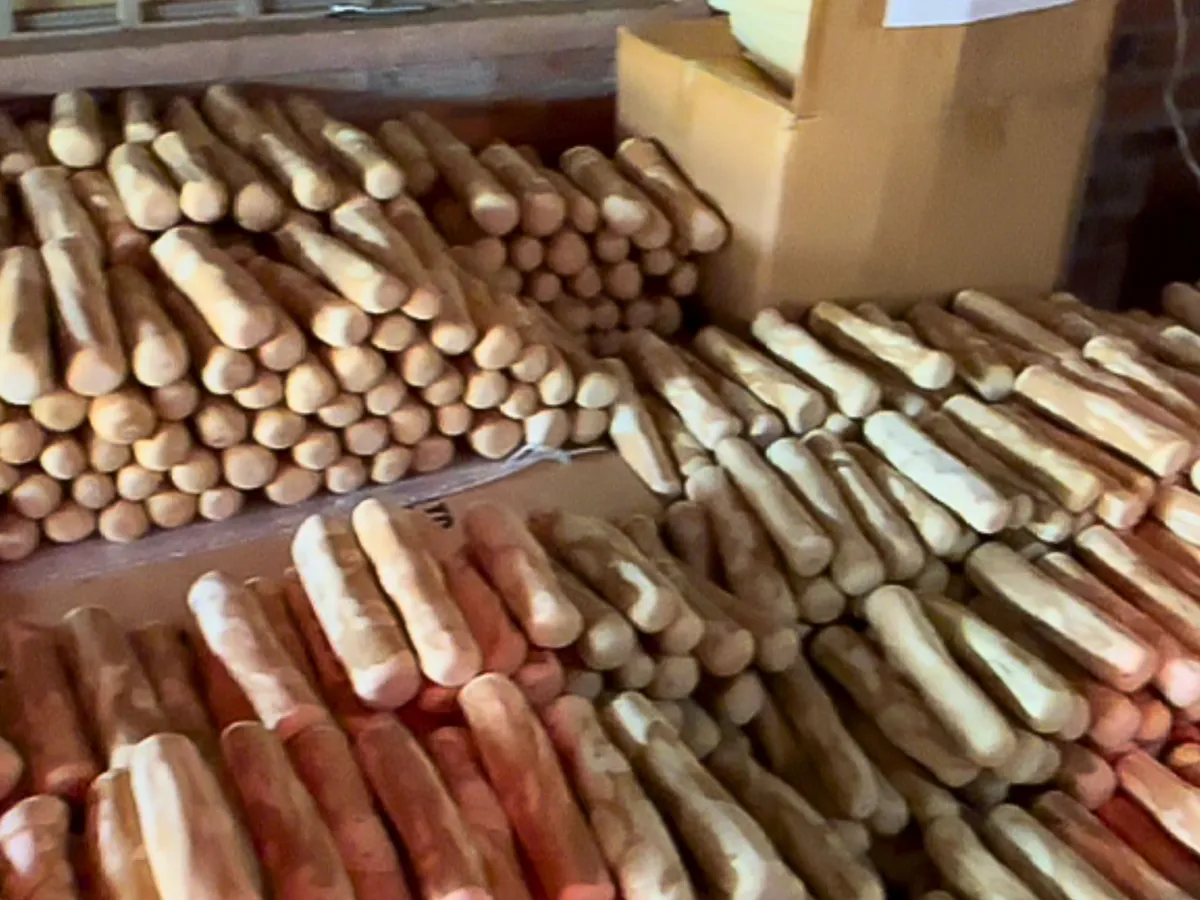
- Every shipment: commercial invoice, packing list and the B/L (or AWB), which the shipping line or forwarder issues. On our export documents a coffee wood chew is described as a wooden pet toy.
- Phytosanitary certificate, when the importing country requires it, issued in Vietnam by the Plant Production and Protection Department. See phytosanitary certificates for wooden dog chews.
- Fumigation, when required, done before export customs clearance: fumigation certificates for pet toys.
- Drafts first, on every shipment, for you and your broker to check against the agency's answer: check draft documents before shipping.
Questions importers in Taiwan, Singapore and Hong Kong ask
Are wooden dog chews plant quarantine items in Taiwan?
The agency's Q&A treats wood products as quarantine items unless an exception applies, such as 0.6 cm or thinner, or painted or preservative-treated. Ask the branch office about your product before shipping.
Can I import wooden chews to Taiwan by courier with a simple declaration?
According to a UDN report of 4 August 2026, the agency said courier imports of wood products need a formal import declaration. Confirm with your customs broker.
Does Singapore need a phytosanitary certificate for pet chews?
NParks says requirements may include a phytosanitary certificate and directs importers to its guided check. Run it for each product line.
Does Hong Kong need a phytosanitary certificate for wooden products?
AFCD lists timber and timber products as not needing a Plant Import Licence or phytosanitary certificate. Fibre toys are not named. Confirm your exact products with AFCD before shipping.
Can you supply a phytosanitary certificate?
Yes, when the importing country requires one. We send the draft for your approval first.
Start with samples you can show the agency
Your first 3 are free, you pay the shipping.