
Selling natural pet toys to eco-minded shoppers: their questions, and honest answers
When an eco-minded shopper looks at a natural dog toy, the useful answers cover three things: where the material came from, what the packaging is made of, and how long the toy will last. Answer each one with a specific fact about the product, keep product claims and packaging claims apart, and say plainly where the limits are.
- For pet shops and online sellers
- Coffee wood, loofah, hemp, coco coir
- About 6 minutes to read
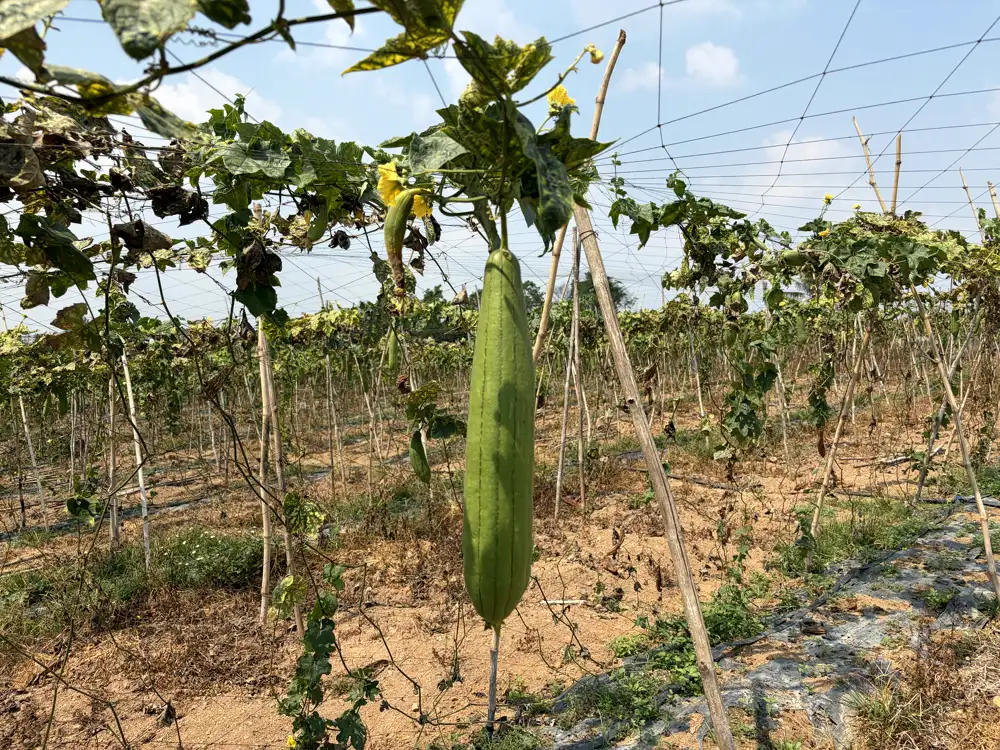
Answer with a specific fact
A word like "eco" or "sustainable" does not tell a shopper what is in the product. If the page only offers the word, the shopper leaves with a question you did not answer.
US rules point the same way. The Federal Trade Commission's Green Guides say that "an environmental marketing claim should not overstate, directly or by implication, an environmental attribute or benefit", and that qualifications "should be clear, prominent, and understandable" (16 CFR 260.3). Which words to drop, claim by claim, is covered in what natural dog toys can and cannot claim. This page is about the questions shoppers ask and the facts you can answer them with.
This is general marketing guidance, not legal advice. Check the final wording with your adviser for your market.
"Where does the material come from?"
This is where a natural toy has a real story. Give the shopper something they can picture.
Coffee wood
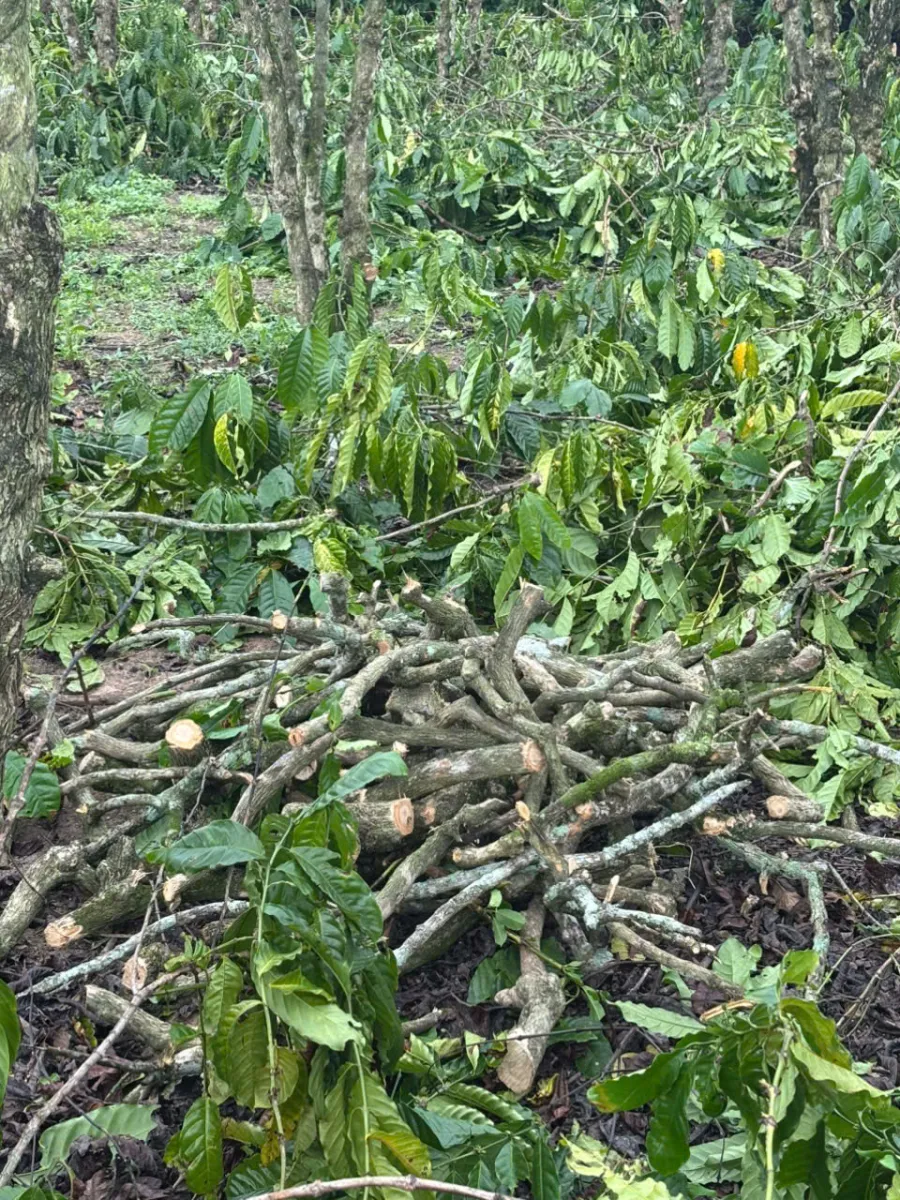
Coffee wood sourced from mature Robusta trees (20+ years) at the end of their productive life, cleared to make way for new planting, a byproduct of the natural farm renewal cycle in the Central Highlands of Vietnam. Coffee is a farm crop, not forest timber. The bark is removed and the chews are cut from the centre of the wood. More detail for your product page: where coffee wood comes from.
Loofah
Loofah toys are cut from dried loofah gourds left on the vine until they are mature, 6–9 months and sometimes longer, then shaped into animals and bones.
Coco coir and hemp
Our coco coir is machine-twisted coir rope, hand-knotted into balls and bones, with no glue. Hemp toys are made from hemp fibre, which is stiff and more durable than coco coir.
"Is anything added to it?"
The true answer for our goods is: no chemicals are added in production. Say it in exactly those words, and do not shorten it to "chemical-free" or "untreated".
The reason for the care: some importing countries require a fumigation certificate, and when they do, the shipment is fumigated before export customs clearance. Whether your market asks for it is a question for your importer or customs broker. If you sell under your own brand, know which documents came with your shipment before you write the answer. The background is in fumigation certificates for pet toys.
"Is the packaging plastic?"
For our natural chews, part of it is, and the honest answer protects you. The Green Guides say a claim should "specify whether it refers to the product, the product's packaging, a service". A wooden chew can be plant material while its bag is plastic. Say which part you mean.
| Part | What it is | What you can say |
|---|---|---|
| Coffee wood and shaped loofah bag | Vacuum-sealed plastic bag | "Vacuum-sealed to keep the wood dry in transit" |
| Hemp and coco coir ball bag | Poly bag | Name the material; do not call it plastic-free |
| Tag inside the bag | Kraft or eco cardboard, 5 × 9 cm as standard | "Paper tag" |
| Retail box, if you use one | Kraft board | "Kraft box" |
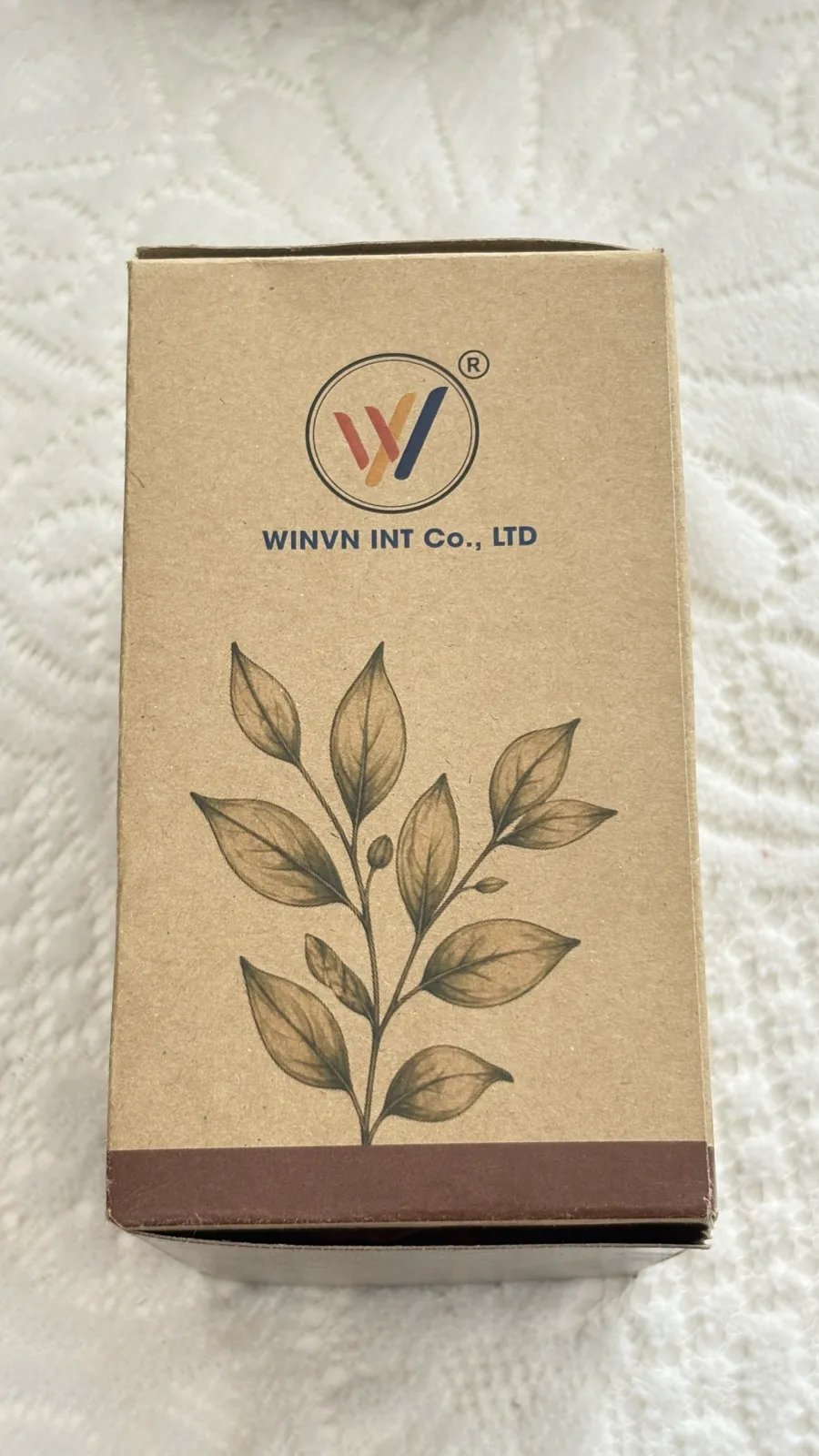
Why not drop the vacuum bag? Kraft bags and cartons are not a moisture barrier, and coffee wood packed in them cracks about as much as unpacked wood. We do not yet have an eco-friendly alternative to the vacuum bag. If a shopper asks, telling them that is better than a vague "eco packaging" line they can disprove by looking at the bag. More on why the bag matters: coffee wood moisture, measured at the core.
"How long will it last?"
A toy that comes apart sooner than the shopper hoped feels like waste. The fix is to sell each material for what it is.
- Coffee wood wears down as the dog chews. How long a piece lasts depends on the dog, so give no number of days.
- Hemp is more durable than coco coir.
- Coco coir is an occasional toy. The fibre is soft and frays quickly under strong jaws. Say so before the sale; coir sold as a tough toy earns one-star reviews.
- Loofah: we have no durability data for it yet, so let your own samples guide what you write.
Add the same safety lines to every listing: supervise your dog while it chews, replace the toy when it has worn small enough to swallow, and remove loose pieces or fibres.
"Is it certified?"
Answer this one exactly. We do not hold FSC, BSCI, ISO or REACH certificates, and we have not run tests on our hemp or coco coir toys. If you see a certification logo on another product, it says nothing about ours, so do not borrow its wording.
What you can show is the real thing: the source story above, photos of the actual goods, and the export documents that travelled with your shipment. Once you have bought from us, we take a photo set of your goods for you to use in your listings.
Questions sellers ask about eco-minded shoppers
Can I call a coffee wood chew eco-friendly?
Give the specific fact instead: wood from mature Robusta trees cleared at the end of their productive life to make way for new planting. US Green Guides warn against claims that overstate an environmental benefit.
Is the packaging plastic-free?
No. Coffee wood and shaped loofah ship in vacuum-sealed bags and hemp and coco coir balls in poly bags. The tag and any retail box can be paper or kraft, so name the part you mean.
Are chemicals used on the toys?
No chemicals are added in production. Some markets require a fumigation certificate for the shipment, so check which documents came with yours before you write the answer.
Which material should I offer a shopper who wants a long-lasting toy?
Hemp is more durable than coco coir. For coffee wood, how long a piece lasts depends on the dog. Coco coir is soft and frays quickly under strong jaws, so present it as an occasional toy.
Do you hold an eco certification?
No. We do not hold FSC, BSCI, ISO or REACH, and we say so rather than imply otherwise.
Check the real goods before you write
Order samples, look at the bag and the tag, and write your product page from what you see.
Your first 3 samples are free, you pay the shipping.